


With the rise in EVs’ popularity, an increasing many homeowners are opting to install EV chargers indoors-their garages. A most crucial factor in setting up an EV charger is the choice of the right EV charger wire gauge. This choice will directly affect the performance, the efficiency, and above all, the safety of the entire EV charging system. The correct wire choice permits the smooth functioning of the system without heating up or damaging the home’s electrical grid.
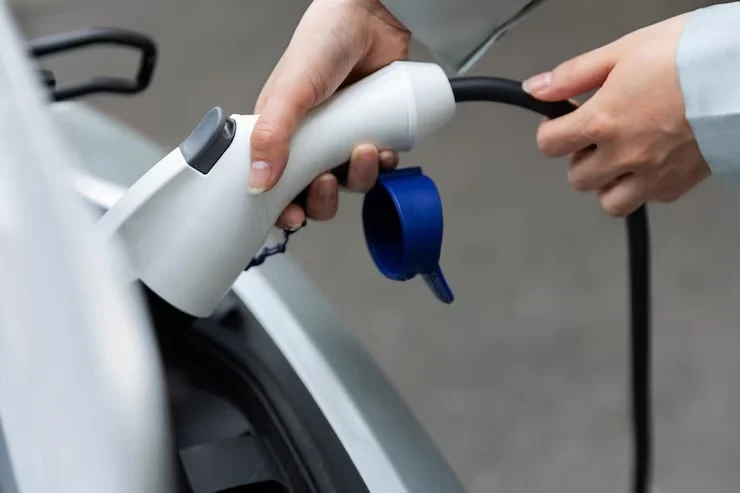
The guide discusses typical considerations of wire gauge rating for different types of EV chargers, answering common questions such as: What gauge wire for a 50-amp EV charger? What gauge wire for Level 2 EV chargers? By the time you are done with this article, an informed choice about wire gauge for EV charger installation can easily be made.
The Basics of EV Charger Wire Gauge
Before jumping into our recommendations, let me first briefly explain what wire gauge means and why it is important. It measures wire thickness using the American Wire Gauge (AWG) system. The lower the number, the thicker the wire and, hence, it can carry more current with not much resistance. Thinner wires with a higher gauge number cannot carry much current.
The wire gauge chosen will ultimately depend on how much amperage your EV charger requires, how far the distance is from the electrical panel to the charger, and the type of wire (copper or aluminum). The wire gauge chosen will be able to adequately carry an electrical load of the charger for a safe and efficient practice, and also adhere to local building codes and regulations.
What Gauge Wire for a 50 Amp EV Charger?
One of the more common residential EV chargers operates on a 50-amp circuit. This is on the fast Level 2 charging side and is a good enough charging rate for many electric vehicles.
Wire sizing recommendation for a 50-amp EV charger is 6 AWG copper wire. Copper wire is generally preferred over aluminum for its greater conductivity, which ensures less voltage drop and reliable performance. 6 AWG wire can carry safely 50 amps of electrical current, yet are you aware that it is dependent on other factors, like wire insulation type and installation conditions (temperature, environment) will also affect your choice?
Sometimes, for aluminum wire, you would have to make a selection for 4 AWG-type wire, as aluminum poses higher resistance than copper. 4 AWG aluminum wire can bear a load similar to 6 AWG copper wire. But as I have said, copper wire is the surest route.
Factors Affecting the Wire Gauge for 50 Amp Circuits
Distance from Electrical Panel: If a charger is far from your electrical panel, you might need a larger wire to make up for the voltage drop. The greater the distance, the greater the resistance the wire is going to face, which might keep your charger from performing well.
Ambient Temperature: Extremely hot or cold environments can affect the wire’s capability to carry current. Ingress of such a location may mean the wire gauge must be bumped up a size or two.
Why 6 AWG Copper?
Copper wire is the preferred one because it conducts electricity better and, therefore, loses less power in heating. Since most home circuits are made of copper wiring, 6 AWG copper wire is a suitable choice to ensure that your EV charger runs safely and efficiently.
What Gauge Wire for a Level 2 EV Charger?
Level 2 chargers are the most commonly installed EV chargers in residential spaces. They usually use a 240V power supply and can charge much faster than Level 1 (120V) chargers. What wire gauge required for a Level 2 charger depends on its amp rating. Most Level 2 chargers will be around 30 to 50 amps.
For a 40 Amp EV Charger
An 8 AWG copper wire is required for the charger to carry 40 amps of current safely, thus ensuring that your vehicle gets charged safely and efficiently. This is the most common wire for home charging stations, as it is a good balance of cost and safety.
If you are using aluminum wire, you should go one size up to 6 AWG to achieve the same effect. Aluminum is not as conductive as copper, so a thicker wire needs to be used for power to be delivered safely and efficiently.
For a 50 Amp EV Charger
6 AWG copper wire is usually selected as the wire size for 50-amp Level 2 charging. Copper is a perfect conductor with which you would desire to keep your electrical system free from any issues of overheating or depreciation in performance. 6 AWG copper wire is rated to deliver safely 50 amps of current to the charger.
What Gauge Wire for a 48 Amp EV Charger?
The 48-amp EV charger finds some use where increased charging rates are desired, but is less common than 40- or 50-amp chargers. To handle the electric load safely, a 6 AWG copper wire is recommended for a 48-amp circuit.
Why 6 AWG for 48 Amp?
Although quite near 50 amperes, the current drawn by the EV charger still demands 6 AWG wire for safe usage. A wire gauge too small will cause it to run hotter than is safe, thus posing a fire hazard. A 6 AWG copper wire will ensure your EV charger runs to its highest degree of efficiency.
What Gauge Wire for a 40 Amp EV Charger?
For a 40-amp EV charger, 8 AWG is the copper wire that is usually considered by best choice, ensuring the right capacity for handling 40 amps without any risk of overheating. This is also the most common setup found in home installations. But if aluminum wire is used, the minimum wire gauge that should be used is 6 AWG to safely bear the load.
Why 8 AWG Copper for 40 Amp?
8 AWG copper wire has the capacity to carry a continuous current of 40 amps without undue heating. This size is commonly just right for residential EV chargers, healthy to work with price, and performance considerations. Further, 8 AWG wire is quite flexible, meaning it is easier to install.
How to Choose an Appropriate Wire Gauge for Your EV Charger?
Now that we have covered the common wire gauges for different amp ratings, let us discuss how to choose the best wire for your installation.
1. Find the Amp Rating of Your Charger
The first step when choosing the right wire gauge is knowing the amperage rating of your charger. This rating will determine the minimum size wire allowed for safe working conditions. Always consult the manufacturer’s guidelines on wire gauge to avoid importing protection issues due to undersized wiring.
2. Check the Distance from the Panel
The farther the charger is from the electrical panel, the greater the voltage drop will be. This voltage drop occurs when the excessive length of current travels through a wire too small for it. You might have to go with a wire larger than what your charger needs when the charger is set up far from the panel, to make up for this voltage loss.
3. Take Local Codes into Account
Local building and electrical codes might specify the wire gauge for different types of installations. Always check with your local licensed electrician. In the absence of this, consult the NEC guidelines to be certain that you are working within the local regulations.
4. Environmental Factors
Temperature and environment also affect the performance of wires. If, say, your EV charger is going into a hot and moist environment (an outdoor garage), then the wire gauge he might have to select should provide better insulation or protection against moisture.
Why Does Proper Wire Gauge Matter?
The right wire gauge for an EV charger is not just about charging your vehicle properly; it is about making sure it is safe and is in accordance with local codes. Let us look into why wire size is so important:
Avoids Overheating – If a wire is smaller than what is acceptable for the electrical load, it will heat up, which in turn can cause a fire. This is a prime reason for using the wire with the correct gauge.
For Better Efficiency – Selecting a wire that is greater in gauge than necessary is just an expensive overkill, but if its value is smaller than required, you will encounter a voltage drop that in turn lowers the efficiency of the charger, taking a longer time to charge your EV.
For Long-Term Durability – The right size wire can guarantee the long-term durability of your whole electrical setup, protecting both wiring and charger from wear and tear. Conclusion: Safe and Efficient Charging Requires the Right Wire Gauge
A charging wire gauge for your EV charger should be chosen chiefly based on the amperage of your charger, its distance from your electrical panel set-up, and whatever applies under local electrical codes, including shipment. In doing so, you allow the appropriate charging of your EV, for instance, wire size 6 AWG at 50 amps and 8 AWG at 40 amps.
- 50-amp chargers: 6-gauge (6 AWG) copper wire must be used.
- 40-amp chargers: 8-gauge (8 AWG) copper wire.
- 48-amp chargers: 6-gauge (6 AWG) copper wire.
The electricians who do the installations should always be licensed so that they keep installations safe, code-compliant, and standing for a very long time. Then you can enjoy the constant benefits of your EV charger, knowing that its wiring has been properly installed to meet your electric vehicle’s needs.