


Electric vehicles (EVs) are booming, and with this growth comes a business opportunity to provide EV charging services. If you’re already wondering what’s EV charging station franchise costis, welcome to the club of entrepreneurs. This comprehensive guide will take you through the process of franchising your EV charging station business and have an easier start.

Cost Breakdown of EV Charging Station Franchise
Starting an independent EV charging station business requires a lot of work, which includes station setup and marketing. Most EV drivers flock to already established EV charging network providers like EVgo, Electrify America, or Charge Rigs.
When evaluating these expenses, it’s important to understand that the cost of commercial EV charging station is typically higher than residential installations due to industrial-grade equipment, higher power demands, and stricter compliance requirements.
This means that there are no specific figures for franchising, unless you pick a specific network or charging service provider. When you partner with an EV charger company like Charge Rigs, for instance, they oversee the entire setup process, from installation to final launch.
Initial Franchise Fee
When starting, most EV charging franchises have an initial setup fee, more like your ticket into their network. It’s hard to pinpoint the exact amount because this depends on the individual company, your location, the charging equipment, and several other factors. Also, the prices tend to shift a lot, mostly determined by the support that these companies offer.
Most will provide the charging equipment, offer training, slash the prices, and even set up the site for you. While it’s challenging to find a charger company that does all these, they do exist; one of such is Charge Rigs. Other companies keep things to a bare minimum, like providing the chargers and guiding you on branding.
When starting, the franchise fees can feel too steep, but it’s a shortcut through the messy steps involved when setting up a new business.
Equipment and Installation Costs
The charging equipment represents the core investment in an EV charging station franchise, delivering the performance and reliability drivers expect. High-quality chargers, especially DC fast chargers like the Omega DC Fast Charger, offer faster charging speeds and stronger long-term returns, making them a valuable asset for your station. After that comes the installation work. If dealing with a thorough EV charger company, they’ll do most of the work. Their crew will do the digging, lay wires, do power checks, and ensure everything meets the local building code.
Even a simple EV charger setup can take a lot of time because power needs often vary. If the location of your station is served by weak power lines, there will be an upgrade involved. Most starters underestimate this bit, so plan yourself early and don’t be rigid to change the site if need be.
Real Estate and Site Preparation
The site you choose really matters. It’s not just about the strength of the grid in the region, but a good site should attract drivers easily. If you pick a bad site, it can easily turn into a ghost lot before your business opens its doors. You may decide to lease land or just use the property you already have.
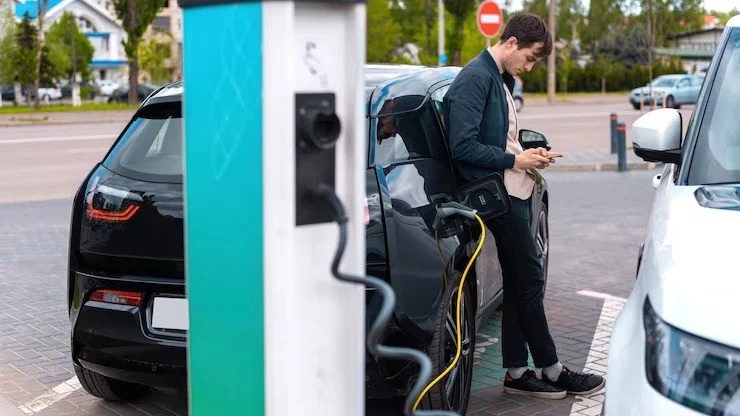
Either way, you’ll have lots of prep work to carry out. This includes clearing the space, marking the parking, adding lighting, and fixing the pavement. Additionally, setting up CCTV surveillance is critical because you want your drivers to feel safe when driving in. In fact, according to a study, a lack of safety can be a great hindrance for EV charging businesses.
Licensing, Permits, and Utilities
A part of the EV charging station franchise cost has to go to paperwork. No EV charger will go live without this bit. And every jurisdiction has its own rules that must be followed. Some regions have a simple procedure, making the approval process fast. Others crawl at their own pace.
The paperwork you need here includes electrical permits, business permits, and some cases, zoning checks. The local power company also has to step in to inspect your load before you’re allowed to hook up. This entire process is no fun, but omitting a step can slow the whole process even further.
Marketing and Branding Costs
This is the bit that makes most operators opt for a franchise. However, it doesn’t save you entirely from the hassle of letting people know you exist. While the EV charging company will provide the branding, you’ll have to cater to the signage costs, online listings, and even several ads.
EV drivers mostly use apps to find available chargers in an area, so your station will need to show up on those maps. With good branding, it’s easy to win drivers’ trust. Ensure you have a clean logo, clear instructions, and staff to help drivers feel at ease when driving in.
Maintenance and Operational Costs
Regardless of how robust a charger is, it still needs maintenance. Cables also wear out, and that’s just the reality of the EV charging station business. So, get prepared for routine checks to ensure everything is running smoothly as it should.
Some EV charger companies often take care of the maintenance for you. Charge Rigs, for instance, has a team of experts who provide support throughout. Plus, they offer robust EV chargers with a modular design, making it easy to carry out repairs or software updates.
From time to time, you may also need to carry out on-site repairs because a dead charger will hurt your income and is a turn-off to drivers.
Factors That Affect Franchise Cost
So, you think you’re all set to start franchising. But what exactly determines how much EV charging station franchise costs you’ll incur? Here’s a breakdown of the factors that dictate the cost:
Location and Grid Infrastructure
Your final franchise cost depends a lot on your location. Like a lot. Some sites already have strong grid lines, so your work might be smooth here. Others are served by old power lines that can barely handle heavy electricity consumers in a home. So, if your site has such a grid line, you’ll have to seek an upgrade or find another site.
Upgrading the grid is a lot of work and involves more wiring, installing bigger transformers, and staying put for a long time as you wait for approvals. If you’re in a busy area, your costs will be higher. A prime corner next to a mall, for instance, pulls drivers all day, so land like that doesn’t come cheap. Additionally, you’ll need to check lighting, parking flow, and the ease of entering and exiting the area. A bad layout discourages drivers, even if you’ve got the most amazing chargers.
Next, you’ll have to deal with utility access. Power companies can be disappointing because they move at their own pace. Though some are quick responders. These delays further push your costs higher, even when the fees aren’t as high. So, your choice of location is a great determinant of how much you’ll spend before installing a single charger.
Charging Technology
The next cost factor is the type of charger you go for. Level 2 chargers have less work than DC fast chargers, and are also cheaper. They’re ideal for small sites, workplaces, and apartments. However, if you’re eyeing high traffic, you’ll have to work with a DC fast charger.
These chargers hit your wallet hard because, apart from being expensive, they’re heavy consumers of electricity. everything about them is just above average, from the equipment itself to the cables. Most operators often don’t expect the installation costs to be crazy until the quote arrives. That’s why it’s better to enter into a dealer partnership with a charger company.
Local Incentives, Rebates, or Government Grants
Starting an EV charging station business is no child’s play because it’s costly. But since there’s a drive to increase EV adoption rates across the country, some state governments have rolled out huge incentives to help with EV charging projects. Others seem not to be bothered and offer very little or nothing at all.
So, again, where you’re located matters a lot when it comes to seeking out grants. If you can access a strong rebate, it will save you thousands of dollars off your EV charging station franchise cost. With grants, you can also do upgrades, trenching, or purchase the chargers themselves.
However, these programs are not without rules and restrictions. You may be forced to acquire specific approved hardware only or use a certain billing system. Other incentives demand that your charging station remain public for a specific period. So, before you get started, do the checks early enough.
Many operators kick off their projects and then come to learn a little too late that they could have saved lots of money through the government incentives. Utility companies also have credit programs to encourage off-peak charging. Such deals can help you cut costs in the long run.
Brand
The franchise you go for also determines your costs and the level of support you receive. Big names like Electrify America or EVgo charge high costs upfront. However, because they’re well-renowned and trusted by drivers, they bring in lots of revenue and strong technology. Once onboarded, your station will appear on their apps and ads.
You’ll also enjoy quick support in case of problems. While smaller brands may appear cheaper, you may have to do most of the legwork yourself. So, before choosing a charger company to franchise with, do some due diligence.
Profitability and ROI
After covering your EV charging station franchise cost, you’d expect to start raking in profits right away. Unfortunately, that’s not how it works, at least not in the EV charging world. Profits build up slowly, but once you get steady traffic, they start to snowball.
A site with DC fast chargers can make more profits than a Level 2 charger because most drivers are willing to pay more for speed. Level 2 chargers aren’t entirely bad because they also bring in small profits, but over a longer period.
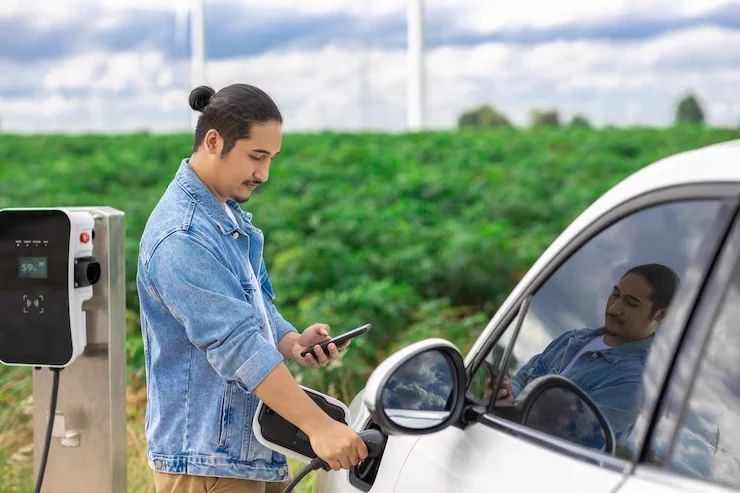
Your return on investment (ROI) really depends on how busy your location is. A spot next to a shopping center, along a highway, or an office park gets more drivers faster and therefore earns more. a quiet neighborhood, on the other hand, can take longer to grow, but can give you a steady income over time. Especially if people prefer charging overnight or while at work.
Soft costs also matter. You’ll need strong software, clear pricing, and a well-lit and protected charging station to bring more drivers your way. To boost your income, you may also offer mobile EV charging solutions to rescue those stranded.
Conclusion
With EV adoption rates rising, starting an EV charging station business can be a profitable way of making money in the long run. However, the setup process is filled with lots of challenges. One way to overcome challenges of a new business is to franchise, which is why it’s important to understand EV charging station franchise costs.
That’s the first step towards building a strong and profitable EV charging business. The need for more reliable stations will only grow as more drivers switch to EVs. With proper planning, the right partner by your side, and a potent location, you can build a steady, long-term income source.