


The battery is commonly considered the heart of an electric vehicle (EV). As a matter of fact, the battery controls the driving range, performance, and long-term value. Maintenance is rarely needed on an EV itself, except for battery maintenance, which should be regularly focused on with the right habits. Proper EV battery maintenance can prolong the duration of the battery for over 8-10 years; in some cases, it could even outlive your vehicle.
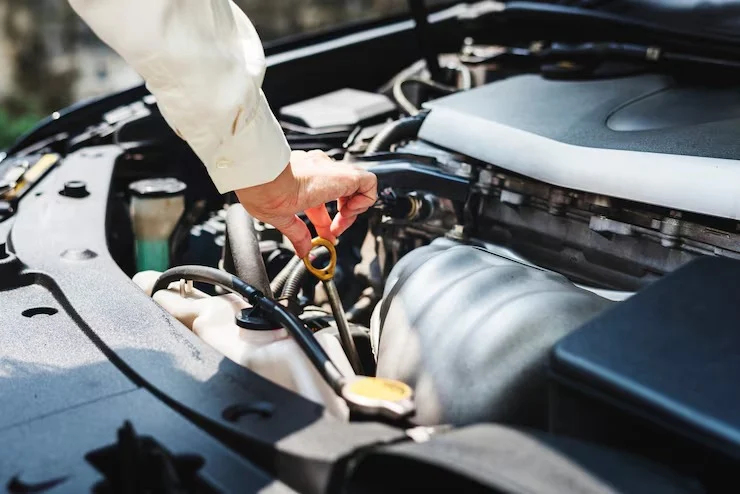
Here you will find some tips on battery maintenance for an EV, instructions on caring for your EV battery cooling system, and special guidelines for Polaris Ranger EV Battery care. The maintenance tips will help keep your battery healthy and efficient so that your electric vehicle performs well, whether it’s a Tesla, Nissan Leaf, Rivian, or any other electric type of utility vehicle.
Understanding the EV Battery
Almost all EVs utilize lithium-ion batteries. Very similar in principle to those of your smartphone or laptop, they are simply much larger and highly developed. Lithium-ion batteries store energy through chemical reactions and furnish it as electricity to the motor. These reactions, however, slowly degrade over time, with the fitting term being locus for capacity loss or battery aging.
Degradation occurs naturally for the battery. However, it is a process that can be controlled with the right charging habits, temperature control, and a pinch of preventive care. In a nutshell, how you treat your batteries will greatly affect their health and ultimately the performance of your EV.
Why EV Battery Maintenance Matters?
Almost every driver perceives an EV battery as being “maintenance-free.” While oil changes or spark plug replacements are not mandated, an EV battery requires being well-managed to attain longevity.
Lack of care can mean:
- Less range
- Slow charging times
- More heat generation
- Fast degradation and expensive replacement
Proper maintenance of EV batteries will retain capacity, promote charging efficiency, and allow your EV to continue running smoothly for many years.
1. Follow Smart Charging Habits
Charging patterns are paramount in the longevity of your battery. These are the golden rules you want to follow to keep your EV battery in top shape.
- Avoid Charging Often to 100%
Lithium-ion batteries are stressed more at 100% of full charge. Keeping your battery between 20% and 80% in regular daily driving will significantly reduce wear. Charging to 100% becomes convenient when going on longer road trips or when you really need the whole range.
- Don’t Let It Drop Too Low
Anything abnormally low discharge (going below 10%) leads to undue battery strain and heat generation during recharging. It is preferable to recharge prior to dipping down to such a low state of charge.
- Slow Charging Should Be Preferred When Possible
Level 1 or Level 2 AC charging is easier on the battery than repeated and unnecessary use of DC fast charging. While fast chargers do offer convenience, there is little good left to them if used excessively. They would generate an extra heat layer with the aging existing faster.
- Keep Off-peak Hours for Charging
Charging during cool hours of the day can bring down the thermal level and relieve the grid of its stress. Several models do come with an EV interface, allowing one to set the charging schedule.
- Keep Your Software Updated
Battery manufacturers keep evolving battery management systems (BMS) with updates to their software. Make sure that your vehicle’s firmware is up-to-date, enabling you to use the latest charging algorithms and protection features.
2. Manage Battery Temperature
Temperature plays a crucial role in battery health. Too much heat, or extreme cold, lowers efficiency and causes the battery to age faster.
- Avoid the Heat
High temperature is the greatest enemy of the lithium-ion battery. Whenever possible:
Park in shaded areas or covered parking.
Do not leave the car fully charged and in direct sunlight.
Allow the car to cool down if charging on a sizzling hot day.
EVs nowadays have active cooling systems to control battery temperature, but it still pays to work against unnecessary heat exposure.
- Watching the Cold
When it’s cold outside, the chemical reactions inside the battery are slowed, leading to decreased range and slower charging. Preconditioning the car, i.e., warming the battery before charging or driving, serves to restore performance and prevent damage.
- Use Thermal Management Features
On many electric vehicles, automatic thermal regulation comes into play to maintain a range deemed optimal for operation. Thus, understanding these features and enabling them is among the most crucial things you can do with respect to battery consideration.
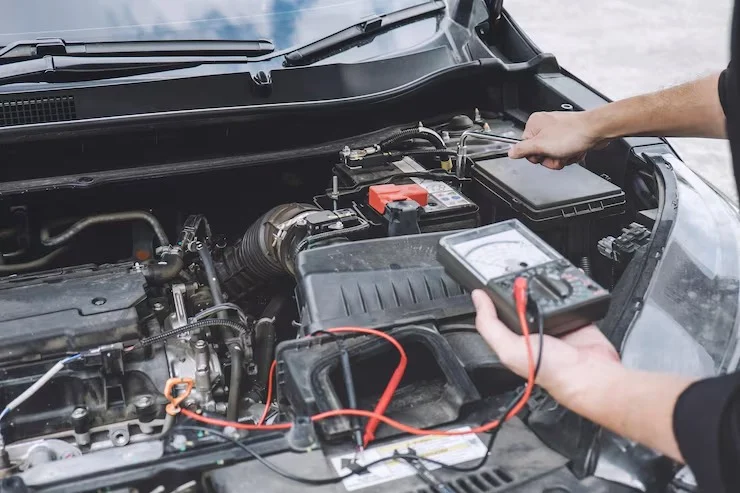
3. EV Battery Cooling System Maintenance Tips
Your EV cooling system keeps batteries at stable temperatures. Consequently, if in all that neglect, it may cause overheating, inefficiency, or premature battery aging.
So how do you maintain it?
- Check Coolant Level Periodically
In some EVs, liquid coolant is used to maintain optimum temperatures for batteries, just as in an internal combustion engine. Check coolant level per the manufacturer’s recommended maintenance schedule, usually every 2 to 4 years.
- Replenish Coolant When Specified
Battery coolants wear off with time. Hence should be replaced at the intervals given in the owner’s manual. This means also giving heed to the specific coolant type that is mentioned and always using the OEM-approved fluid to avoid chemical incompatibility.
- Clean air vents and filters
The air-cooled system cooling section includes: an inspection to ascertain that the vents and filters are free from dust and debris. When airflow is blocked, it lowers the cooling efficiency inside the pack, creating a non-uniform temperature profile.
- Listen to the sound of the cooling fan
Different sounds produced by battery cooling fans or pumps may imply an obstruction or wear of components. Early resolution avoids thermal management failure.
- Periodic System Checks
If your EV has an active thermal management system, have it checked during annual service appointments. Your technicians will perform diagnostics to confirm that pumps, sensors, and valves work properly.
Proper maintenance of an EV battery cooling system prevents overheating, thus ensuring consistent performance, especially in demanding loads or fast charging scenarios.
4. Drive Smoothly and Efficiently
Driving manners affect your battery considerably. Hard velocity changes with full acceleration, high speeds, and sudden stops generate heat, thereby cycling the battery faster.
To preserve battery life:
Take off slowly and observe traffic to avoid sudden stops.
Use eco or efficiency modes as much as possible to restrict power draw.
Employ regenerative braking as frequently as practical.
Smooth driving lessens power usage, and it also keeps battery temperatures stable and internal resistance low: two technical terms for factors that count toward a longer-term life.
5. Keep Software and BMS Updated
The Battery Management System (BMS) is essentially the brain of your EV. It monitors temperature, voltage, current, and charge levels so as to avoid any damage. And manufacturers often roll out updates for the software that runs these systems.
- Keeping your vehicle’s software updated will guarantee that:
- Cells are best balanced during charging
- 34.5 Operating range is more accurate
- Charging Speed and Efficiency
- Enhance Battery Protection Algorithms
Many EVs receive OTA updates, so enabling them is one of the easiest EV battery maintenance tips to apply.
6. Proper Storage of EV
Should you store your EV for a long time, say, over winter or while on vacation, proper storage will prove to be a fortification against beastly damage to the battery.
Follow these:
- Keep the battery charged to roughly 50-60% (the battery should never be charged to full.
- Keep the car connected to a charger or, in case the car has a storage mode, activate that.
- Store the car in a cool and dry place away from direct sunlight.
- Never leave it sitting there either with a near-empty charge or a full charge for weeks…
Both conditions are detrimental-the former because it lets the battery deep discharge, and the latter because the voltage stress that’s there during any long idle period isn’t good for the battery.
7. Get Your Battery Health Checked Regularly
Many EVs include diagnostics or smartphone apps that let you check battery health, state of charge, and charge history. Keep checking this data to get early hints of degradation.
Watch out for:
- Sudden declines in driving range
- Uneven charging
- Abnormal heat buildup during operation or charging
- Schedule a service check if you notice any irregularities. Proactive service can mean the difference between a minor repair and a full-blown one.
8. Never Neglect Physical Maintenance
The battery pack is sealed and maintenance-free for most EVs, yet all other systems still need to be taken care of.
- Go inspect the undercarriage shielding: Ensure debris, salt, or water haven’t corroded protective panels around the battery.
- Fine-checking electrical connections: If you live in coastal areas or humid ones, corrosion may affect terminals or grounding points there.
- Maintenance of the charging equipment: Clean connectors and store charging cables properly so they don’t get damaged.
Keeping all these in top shape will contribute to the safe and efficient working of the battery.
9. Polaris Ranger EV Battery Maintenance
Polaris Ranger EV is a popular all-electric utility vehicle for off-road and worksite performance. Because it is frequently used in rugged environments, battery maintenance for Polaris Ranger EVs requires some additional steps besides the normal maintenance of EVs.
- Cleaning
Dust, mud, and even moisture can find their way into the battery compartment. After heavy use, the whole area should be cleaned nicely, ensuring that the vent or cooling openings are not blocked.
- Charging Routine
The vehicle should never be stored with its battery fully discharged. Charge after every ride and disconnect when fully charged in order to prevent overcharging. For long periods of no use, the battery charge should be maintained between 50-70%.
- Water Level Checks (Lead-Acid Models)
Previous Polaris Ranger EVs used lead-acid batteries as opposed to lithium-ion. These will require water top-ups occasionally with distilled water. Check levels every 10 to 15 charging cycles; top up if necessary.
- Check on the Battery Terminals and Cables
The vibrations off the trail loosen or corrode the battery terminals. Hence, make sure they are tightened; clean them regularly to help in efficient power transfer.
Keep It Covered:
Never let your Ranger stand exposed to rain or snow. Dampness in no time could corrode or short around the battery housing.
With constant care, a Polaris Ranger EV battery could provide operation for recreation or work applications for years.
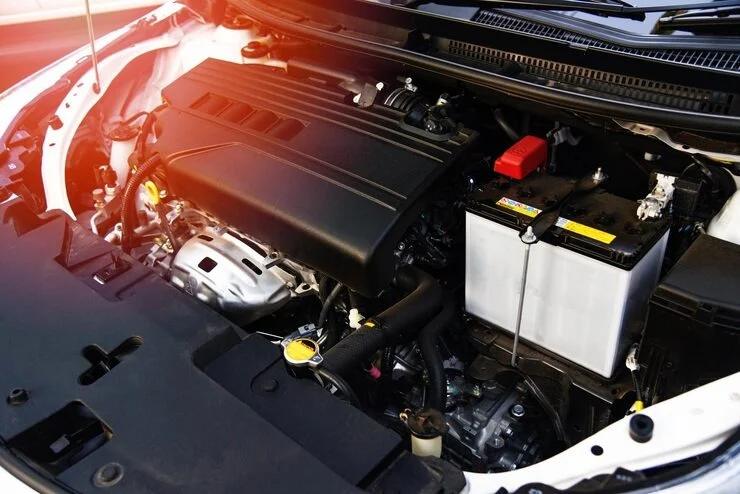
10. Service and Diagnostics
Even if great home care is done, certain periodic professional inspections for the service are good to have. This is because the service technician has diagnostic tools that can be used to check the performance of individual cells, temperature control, and BMS calibration.
Every EV battery maintenance should be professionally looked at about every 12-24 months. Early recognition of irregularities, such as voltage imbalance and coolant leaks, might potentially save thousands in repairs.
Conclusion
Maintaining your EV battery has nothing to do with technical skill, per se—it’s all about maintaining consistency and being mindful of it. Ensuring good maintenance of your cooling system while keeping an eye on any small problems that might arise will grant maximum life to your battery and result in top performance in any driving situation.
Be it highways for cruising or rugged terrains for a joy-ride in a Polaris Ranger EV, maintenance will always guarantee an efficient and reliable vehicle ready to take on any journey.