


Did you know that 4.2 million people die each year from outdoor air pollution, and 91% of the world’s population lives in areas where pollution levels surpass WHO guidelines? In order to support sustainable transportation, EV charging infrastructure is becoming more and more important as electric vehicles gain popularity to address this crisis.
What is EV Charging Infrastructure
EV charging infrastructure is the whole setup that gets power from the grid into an EV’s battery. Think of it as the “road” electricity travels before it reaches your car. The EVSE (Electric Vehicle Supply Equipment), the charging gear you plug into, sits in the middle and makes sure the power moves safely. It’s what everyone calls an EV charger.
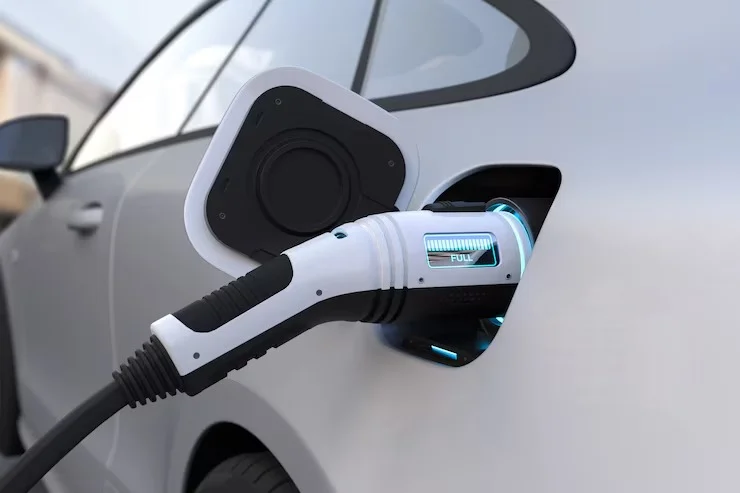
But it’s more than just a charger on a wall. You’ve got parts that bring in power, parts that control it, and parts that send it into the car. The system handles things like voltage, current, and basic safety checks. Cables and connectors link the station to your vehicle, while control boards watch the charge so nothing overheats or goes wrong.
Types of Charging Infrastructure
EV chargers come in a few different setups. Some are simple home options. Others are stronger units built for busy spots like malls or gas stations. Each type is built for a specific need:
Level 1 Charging Using 120V Home Outlet
These are the most basic type of EV chargers, often accompanying the car when you first make a purchase. It doesn’t need much, except the plain household outlet with 120V, similar to what you use for a lamp. Most EVs come with a cord that plugs in right away. It’s slow, adding about 3 to 5 miles of range each hour. But if your car sits all night, it works fine. A full charge can take forty hours or more, which sounds wild, but setup costs are low, and it barely touches your home’s power load.
Level 2 Charging Using 240V Home Outlet
If you want an EV charger that works a little faster but is still affordable, these are Level 2 chargers. They’re powered by 240V home outlets and roughly 208V in most public charging stations. Most setups push out 3.3 to 19.2 kW. That gives you around 10–30 miles of range for every hour you stay plugged in. Many home units run at 30–40 amps, which fills most EV batteries in 4–10 hours. The plug is still the J1772 you see on Level 1. Tesla cars can use these too, but they need a small adapter.
DC Fast Charging: 50kW to 350kW Public Stations
DC fast chargers are the “get me back on the road now” option. They sit along busy highways and pump out a huge amount of power. Most deliver 50–350 kW, which can push an EV to about 80% in 20–60 minutes. A good example of this is the Omega DC Fast Charger, built with a modular design and outputs 120kW to 320kW.
Companies like Gravity and Tesla have already started building DC fast chargers with up to 500kW output. At the moment, most EVs in the market can’t handle such power, but the construction of the 500kW EV charging infrastructure is for future-proofing against upcoming new electric car models.
Future fast chargers may hit 1000kW, which sounds wild, but it’s going to happen, likely in Q2 2026. DC fast chargers don’t go through the car’s onboard system; instead, they feed the DC power directly into the battery, making the charging process much faster.
Wireless Charging Through Inductive Technology
Although still in its pilot phase, wireless charging is another form of EV charging. It uses magnetically coupled resonating coils to transfer power between a ground-based pad and a receiver in the vehicle. They have an efficiency rate of 90-93% and can deliver up to 20kW charging power.
Benefit of EV Charging Infrastructure
Good charging networks do more than power cars. They help our air, our health, and even our wallets. And yes, they make driving a lot less stressful too. So, when thinking about the perks of EV charging infrastructure, don’t limit yourself to the convenience of electric cars.
- Reduced Environmental Pollution: Internal combustion engine (ICE) cars and trucks contribute about 29% of all greenhouse gas emissions in the US. That’s a huge chunk. A reliable electric car charging infrastructure can immensely contribute to slashing those numbers down. It can achieve this by encouraging people to switch to electric cars. And this is backed by a study, which has shown that if the US could achieve just 25% of EV use with the current grid, it could help reduce up to USD 17 billion in climate damages per year.
Not just that, the amount of carbon dioxide emitted into the air would be reduced by 242 million tons. And if these chargers were to run solely on clean energy sources like solar and wind, those gains would go even higher.
- Better Public Health: ICE vehicle emissions are harmful to the environment and pose health risks like lung damage and asthma. If we embraced EVs fully, the amount of tailpipe emissions would be greatly reduced. Cities could become cleaner while reducing diseases related to environmental pollution.
- Economic Growth: EV charging infrastructure gives rise to lots of jobs in manufacturing, engineering, software, construction, and maintenance. In the US alone, over 240,000 jobs have been added to the economy since August 2022.
- Better Driver Convenience: With well-planned EV charging networks, drivers can forget about the daily stresses of finding a charging station. Charging can happen at literally any spot, because charging points would be as many as gas stations. But all this depends on having a strong charging infrastructure.
The Requirements For Setting Up EV Charging Infrastructure
Establishing a strong EV charging network demands a lot of prior planning. You can’t just drop chargers anywhere. Each site needs the right power, space, and support. Miss one step, and the whole setup wobbles.
What’s Your Electrical Load and Grid Capacity
Power limits cause most of the headaches here. In fact, many charging operators say grid strain may slow their growth soon. So, planners must stay ahead. They need to map power needs, upgrade lines, and spread loads across the day. Smart tools help shift charging to off-peak hours. Local patterns matter too. One busy block can spike demand fast, so teams must study how people charge and when they plug in.
Site Selection and Parking Considerations
Choosing a spot for your EV charging infrastructure is no guesswork; it requires more effort than most people realize. First, you must factor in a steady power supply, a great network signal, and more room for expansion. Some sites look fine at first but fall apart once you check local rules or grid limits.
Developers also need to pick spots where drivers don’t mind waiting. A quick stop near shops or a café makes charging feel less slow. Parking spaces must fit many car types, too. Since EV ports sit in different spots, the layout should let drivers plug in without odd angles or tight turns.
Permits, Compliance, and Safety Standards
Getting permits for DC fast chargers isn’t the same everywhere. Some places move fast. Others drag things out for months, even a full year. Cities that handle this well keep the process simple. They review building and electrical plans at the same time and spell out rejection rules before you apply.
Clear zoning rules help, too. When towns mark charging sites as allowed uses, the approval line moves faster. It cuts guesswork, saves time, and helps builders stay on track.
Networking and Data Collection Capabilities
Networked chargers need steady internet or cell service to work well. They handle payments, track use, and let support teams fix issues from afar. But weak signals still cause trouble, especially in basements or spots far from town. A site check should test the signal on different days and times. This helps set a clear minimum for the connection you need.
Payment Systems and User Accessibility
Chargers should accept all the usual ways to pay: credit cards, apps, RFID, and even Plug & Charge. so, when choosing payment methods, pick the most common ones that even non-tech-savvy users won’t have difficulty with. Accessibility is key, too. Public stations must meet ADA rules, giving clear paths and enough room for wheelchairs. Controls should be simple and reachable.
EV Charging Infrastructure Challenges
When building a charging infrastructure, it’s not going to be a smooth road, even when you’ve got the budget bit all figured out. You’ll have several hurdles to deal with. Even end users experience challenges.
High Upfront and Installation Costs
There are more costs to cover when setting up a station, from wiring, installation safety systems, etc. Small businesses or new operators often have difficulties in funding the project up front.
Grid Limitations
If setting up a charging station with multiple DC fast chargers, your local electricity supply may not handle the power demand. Even after requesting a grid upgrade, it might take time, require permits, and turn out to be expensive.
Maintenance and Downtime
Chargers are made up of electronics, which are not 100% fail-proof. Every equipment outage frustrates users and also hurts their confidence in EV.
Location and Accessibility
Finding the perfect spot, near highways or busy outlets, isn’t easy. Spaces must also be safe, compliant with ADA requirements, and easy to reach.
Network Connectivity Issues
EV chargers use internet or cellular connections to communicate with external servers. Choosing areas with poor signal reception can hinder smooth monitoring and payment processes, eventually affecting users’ experience.
User Experience
After overcoming all the above challenges, operators still have to deal with user experience issues. Different plug types, confusing apps, or even slow chargers can be frustrating to users. So, operators must ensure that the quality of their services is beyond satisfactory and consistent.
EV Charging Infrastructure Key Elements
A solid EV charging infrastructure requires a number of critical elements working in tandem. Without one, growth could be slow, and users can get frustrated.
Power Supply and Distribution
Not only do you want grid connectivity, but it has to be reliable. Plus, your wiring, breakers, and transformers should be able to handle the highest loads your station can achieve. Without a stable power source, chargers fail frequently, and that can frustrate customers.
Charging Equipment (EVSE)
This is the actual charger that vehicles connect to get electricity. Depending on your station, you can have the Level 2 and DC fast charger to cater to different classes of users. Plus, if installation is outdoors, ensure the charger can withstand outdoor conditions.
Cables and Connectors
Your station should cater to the different plug needs of EV drivers. Type 1, Type 2, CCS, and NACS standards matter here. The cables you use should also be durable and easy to handle for your users.
Networking and Communication
Chargers need to communicate with external servers to authenticate users, handle payments, and monitor charging processes. So, this requires a strong cellular or internet connection to help track usage, allow remote fixes, and support real-time payments. Alongside physical protections, EV charging infrastructure security is essential to safeguard chargers from cyber threats, protect user data, and prevent unauthorized access that could disrupt operations or compromise the power grid.
Safety Systems
Ground fault protection, surge protection, and thermal monitoring are key. Safety keeps users confident and prevents fires or shocks.
User Interface and Payment
Simple screens, contactless payment, or smartphone apps make charging smooth. Complicated systems confuse drivers and waste time.
Site and Accessibility Design
Space must allow cars to park and exit easily. ADA rules require accessible chargers. Also, factor in good lighting and clear signage so EV drivers can safely come in and leave at any hour.
Monitoring and Maintenance
To ensure your EV charging infrastructure lasts longer and serves your customers more conveniently, regular maintenance is necessary. This includes conducting timely inspections and software updates, doing repairs as soon as issues are identified to keep the system running smoothly.
Market Trends and Future Outlook of EV Charging Infrastructure
There’s no denying that EV charging is exploding. Most of the great changes in the industry took off in 2025, and more is expected to come in the future. With more drivers going electric, what does the future of EV charging infrastructure look like?
- DC Fast Chargers Taking The Lead: The rise of DC fast chargers is phenomenal. They’re spreading majorly along highways, cutting wait times for those on long trips. ABI Research has pointed out that these chargers will earn the highest revenue in public EV charging by 2035.
- Smart, Connected Networks: Chargers can now talk to apps as well as the grid. This is making it easier for drivers to charge during off-peak hours when rates are lower, therefore saving power.
- More Investors Jumping In: Governments and private investors are pouring more money into EV chargers. Reports indicate this stake could hit USD 1 trillion by 2029.
- Growth Isn’t Everywhere: It’s easy to assume that EV infrastructure growth has taken over globally. Well, that’s not the case; some regions have slower growth rates.
- Green Energy Joins the Game: The use of solar chargers and storage units is becoming common. They’re becoming a preference to help lower emissions as well as reduce strain on the grid.
Conclusion
EV charging infrastructure is the strongest foundation of clean travel. It’s helping people embrace electric cars because charging is becoming more accessible. Whether you opt for public or home EV charging, each brings simple wins, not just for the environment and health, but your wallet too.
Of course, the grid is still limited; some areas need an upgrade to support robust EV charging. But with governments and private investors pumping in billions of dollars and technology getting better, EV charging will soon be the norm, as it is with gas pumps.