


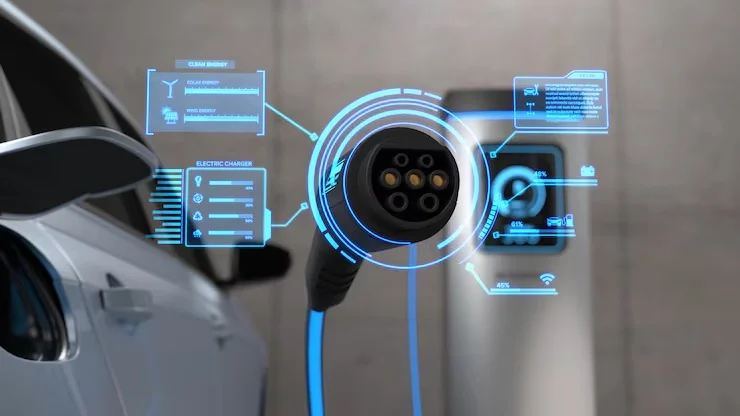
EV chargers are just like most other connected devices, which is why EV charging infrastructure security should never be taken lightly. They’re vulnerable to different threats, including cybersecurity. These could compromise data integrity, user safety, and even the electrical grid. In this comprehensive article, we break down these risks, the importance of security, and look into the best practices that keep your station safe.
Importance of EV charging infrastructure security
Electric vehicles (EVs) are taking over, which is why anyone investing in this industry must be prepared to protect their infrastructure investment. What are the security concerns that every operator needs to be aware of? Before addressing these concerns, you need to understand why charging infrastructure security matters in the first place:
1. Data protection
EV charging networks, like other networks, come with data privacy risks. And these have been highlighted by the International Association of Privacy Professionals (IAPP). The chargers not only handle information about the charging session, like the level of charge and remaining time to full charge. they also handle highly sensitive data, like payment details, vehicle identification numbers (VIN), and user credentials in certain instances.
So, having a robust EV charging infrastructure security ensures such information isn’t accessed by unauthorized persons.
2. Vehicle Safety
Most EVs come with some level of autonomy from manufacturers, which means it’s possible for malicious attackers to compromise vehicle systems and interfere with driver-assist features. This is where EV charging safety becomes critical, as a compromised charger can act as an entry point for attackers to install malicious software once it’s connected to a vehicle. Ensuring chargers are properly secured helps protect both the vehicle’s systems and the safety of the driver.
3. Driver Trust
While range anxiety is gradually reducing, a recent publication points out that cybersecurity could be the next biggest blocker to widespread EV adoption. User trust in the EV charging infrastructure is important because security breaches can be detrimental to the confidence of users in this technology. This could further harm adoption rates and the industry’s boom.
4. Grid Stability
From a national security perspective, vulnerabilities in charging infrastructure could leave critical power grids open to attacks or even endanger the stability of energy supplies. And with charging stations increasingly being integrated into the Internet of Things (IoT), a simple exploit could have far-reaching consequences.
What’s at stake here isn’t just the tech; it’s about securing consumer confidence, convenience, and safety. Without a proper EV charging infrastructure security, we risk destroying the trust, which is essential for the long-term success of EVs. So, it’s important to tackle security problems head-on before vulnerabilities become the new reality.
Potential EV Charging Security Risks
Due to the nature of their connectedness and handling highly sensitive data, EV chargers have an inherent risk. If compromised, malicious attackers can gain access. So, what are the potential security risks of an unprotected or improperly configured charger?
1. Cybersecurity Risks
Cybersecurity is often the first and most discussed issue when it comes to the safety of EV charging infrastructure. These risks vary from hacking, data breaches, to malicious attacks directed at the chargers and the broader network. Since charging stations are also connected to a centralized system for payments, scheduling, and tracking, they too become mouth-watering targets for cybercriminals.
2. Physical and Hardware Risks
It’s not all about the digital world—physical threats are just as real. The chargers themselves are predisposed to the risk of tampering. Considering they’re in public spaces, accessed by just anyone, they’re easy targets for theft, vandalism, and even sabotage.
Users with malicious intent could disable the units, make changes to the hardware components, and even use them as access points to other systems in the charging network. In other situations, these users may also try to bypass the built-in security features to carry out unauthorized transactions. For instance, some may try to “hack” into a charger so they don’t pay the charging fees. This further leads to revenue loss for operators.

If during the process, the charger gets physical damage, it can become inoperable, inconveniencing other users. The owners also end up suffering financial losses.
3. Supply Chain and Infrastructure Risks
The entire supply chain behind EV charging infrastructure security is another weak point. From manufacturing the hardware to software integration and even the transportation of components, any vulnerability at any stage could lead to a breach in security. Some suppliers might cut corners on security features to lower costs, leaving charging stations exposed to exploitation once they’re deployed.
For this reason, it’s important to scrutinize the supplier of your EV charging equipment. Charge Rigs ranks among the highly trusted manufacturers and suppliers. After deployment, their work doesn’t stop there; After deployment, their work doesn’t stop there; they offer ongoing support and regular upgrades to keep the system secure at all times.
4. Malicious Firmware
All EV chargers depend on the firmware for their operations. So, if attackers manage to inject malicious firmware into a charger, they could take over its operations. And in the worst case, access users’ personal data. With malicious data, they can cause more damage, like alter the charger’s functionality, disrupt the billing process, or cause chargers to stop working altogether.
Some manufacturers also roll out Over-the-air (OTA) updates, which can be a point of vulnerability, even though useful. If proper security measures are not put in place, it becomes easier for attackers to discover and exploit weak points. So, the integrity of the firmware updates is crucial to mitigating security risks.
5. Network Security Risks
EV charging stations are getting smarter and more connected through linking with other cloud platforms and IoT devices. While it sounds so good, this could pose another potential security risk. Just a single charger can create a domino effect that could end up compromising other chargers within the same network.
Attackers can use weak spots in Bluetooth or Wi-Fi protocols, and once in, they could mess up everything. Steal personal data, alter settings, and even disrupt a charger’s operations. The only way to prevent this from happening is ensuring EV chargers are backed by robust network protocols and solid encryption. When these are absent, communication between the chargers, servers, and user devices becomes an open book that anyone can read and write on.
6. Software Vulnerabilities
Just like any advanced tech system, EV charging infrastructure security depends heavily on software. Operations such as billing, monitoring, and scheduling are all performed by software, so any vulnerabilities in it could open doors to many more potential security threats. Poorly coded systems or outdated software create easy entry points for malicious activities.
How to Secure EV Charging Infrastructure
A strong and well-planned EV charging infrastructure is the backbone of a reliable charging network. Now that you know and understand the security risks surrounding EV charging infrastructure, how do you secure your investment from being compromised? Keeping your charging solution safe protects not only you but your customers as well. And this goes a long way in sealing customers’ confidence in your charging station. Here are different ways to ensure your charging infrastructure remains safe.
Tamper-Resistant Hardware Design
Your first line of defense is the physical security of your charging station. Constructing tamper-proof hardware into the chargers can go a long way in protecting them against attackers and vandals. You may opt for reinforced enclosures, install lock mechanisms, and have CCTV surveillance to discourage tampering.
Advanced Energy Theft Detection Mechanisms
Besides the worries of charging equipment vandalism, charging networks also have to deal with energy theft. Yep, that’s a thing; some malicious attackers target chargers to charge their vehicles without paying a dime. To prevent this from happening, install energy theft detection systems to monitor real-time consumption patterns.

These systems can also spot anomalies and trigger alerts when some anomalies are detected. This can go a long way in ensuring users are properly billed and stop losses.
Digitally Signed Firmware For Integrity Assurance
The days of installing firmware updates without a digital signature are long gone. Using digitally signed firmware helps prevent malicious firmware from installing into chargers. This means every firmware update must be authenticated before installation. When the firmware is verified to be safe, operators can maintain total control over their EV charging infrastructure security.
Strong Input Validation and API Protection
Just like any software system, input must be validated to prevent injecting malicious data into the charging system. Validation of input remains a crucial part of any system’s security protocol. Similarly, APIs that connect charging stations to backend systems must be secured with authentication, encryption, and authorization protocols.
Secure Over-The-Air (OTA) Update Capabilities
Manufacturers use OTA updates to keep charging systems software up to date. However, if delivered through properly secured means, they can present a potential security vulnerability. OTA updates should be secured through digital signatures and encryption to prevent attackers from intercepting and modifying updates when they’re being rolled out.
Comprehensive Certificate and Key Management
Charging stations send and receive data from the central servers of a charging network. This communication process must also be secured through certificates and keys to prevent possible attacks from happening. Key and certificate management simply entail doing periodic rotation and revocation. This ensures that no uninvited guests or unauthorized parties impersonate legitimate devices to access sensitive data.
Adherence to Secure Firmware Development Practices
An EV charging infrastructure’s security starts right at the development stage, through the right coding practices. Developers should follow best practices when developing firmware, ensuring the code doesn’t have vulnerabilities, is resistant to attacks, and can handle unexpected events. They should include techniques such as static code analysis, regular security reviews, and threat modeling to ensure the developed firmware is free of vulnerabilities.
Verified Secure Boot Process
Secure boot process verification is crucial in preventing unsigned code from running on the embedded systems of a charging station. This way, attackers won’t get access to replace bootloaders with malicious code, which could create back doors for more serious attacks.
Enterprise-Grade, Secure Connectivity Modules
Due to the type of data that charging stations handle, it’s crucial that they’re protected with enterprise-grade secure connectivity modules. This ensures communications between the chargers and external servers are encrypted at all times. Whether the protocol is over Wi-Fi or cellular, the added security layers protect the data while in transit and keep unauthorized devices from accessing it.
Routine and Comprehensive Security Assessments
And lastly, the best way to ensure the integrity of EV charging infrastructure security is to carry out routine, comprehensive assessments. These can help identify vulnerabilities before attackers use them to compromise the chargers and the entire system in general. Regular EV charger maintenance plays a crucial role here, as keeping hardware, software, and connections up to date reduces both security risks and performance issues. Even where attackers have already planted malicious code in the system, a routine, thorough assessment can help identify the alien code and eliminate it. This way, you can ensure your charging station’s security is always ahead of malicious attackers.
Conclusion
With the EV adoption rates growing each day, range anxiety will eventually be a thing of the past because there will be enough charging stations to supply the demand. But the big question is, how secure will these stations be? This poses another concern that can also affect EV adoption: EV charging infrastructure security.
It’s up to every charging network operator to ensure that their stations security is up to standards. This is achievable by starting with obtaining the charging infrastructure from the right manufacturers offering robust solutions. Next, ensuring regular security assessments are conducted to seal all loopholes before attackers discover them.